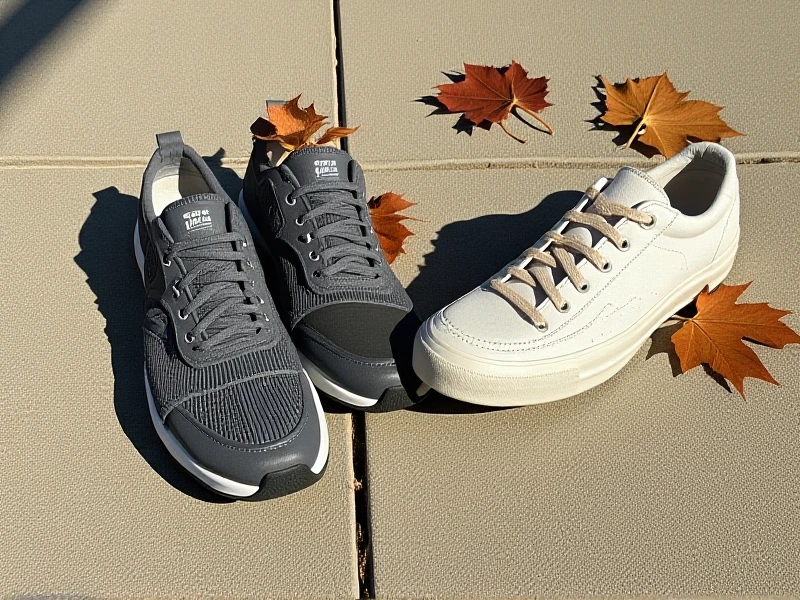
Unleash Your Potential: Choosing the Right Sports Shoes for Peak Performance
The right pair of sports shoes isn't just an accessory; it's fundamental equipment for anyone serious about their activity. Whether you're clocking miles on the road, dominating the basketball court, lifting weights, or enjoying a gym class, your Sports Shoes directly impact performance and safety. Choosing wisely can elevate your training and prevent frustrating injuries.
Understanding your primary activity is the crucial first step. Sports Shoes are meticulously designed for specific movements:
- Running Shoes: Prioritize cushioning and forward-motion support. Look for responsive midsoles (often featuring EVA foam or proprietary tech like Nike Air or Adidas Boost) and durable outsoles with grippy treads for pavement or trails. Consider heel-to-toe drop based on your stride.
- Cross-Training Shoes: Offer versatility with stability for lateral movements, cushioning for jumps, and a flat base for lifting. Flexibility and a supportive heel counter are key.
- Basketball/Tennis Shoes: Focus on high-top or mid-top ankle support for quick cuts, jumps, and sudden direction changes. Outsoles prioritize multidirectional traction for court surfaces.
- Walking Shoes: Emphasize all-day comfort, cushioning, and smooth heel-to-toe transitions. Look for flexible construction and breathable materials.
Beyond the activity, focus on these essential features:
- Cushioning & Responsiveness: The midsole absorbs impact. Do you prefer plush comfort, energy-returning bounce, or a firmer, more stable feel? Different technologies cater to each.
- Support & Stability: Especially important for runners with overpronation (inward foot roll) or supination (outward roll). Stability shoes offer structured midsoles or medial posts. Neutral runners have more options.
- Fit is Paramount: Your Sports Shoes should fit snugly but comfortably immediately. There should be about a thumbnail's width of space between your longest toe and the shoe's end. Width is critical too; don't squeeze. Always try shoes on with the socks you'll wear for your sport, and preferably later in the day when feet are slightly swollen.
- Breathability & Upper Construction: Mesh uppers provide essential ventilation to keep feet cool and dry. Synthetic overlays or knit materials offer structure and support targeted to the sport.
- Traction & Durability: Match the outsole pattern and rubber compound to the surface you frequent. Durable rubber in high-wear areas extends the shoe's life.
Don't neglect replacing your Sports Shoes. Most lose substantial cushioning and support between 300-500 miles of running or 6-12 months of regular use. Worn-out shoes lead to diminished performance and increased injury risk.
Investing time in finding your perfect Sports Shoes pays off immensely. Visit a specialty store for expert fitting guidance. Your feet (and your performance) will thank you. Explore the latest innovations online or in-store to find the pair that unlocks your best effort. Remember to break in new shoes gradually before demanding workouts!